
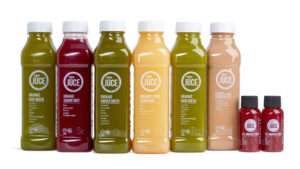
In recent years, cold-pressed juice has gained popularity among health enthusiasts and casual consumers alike. But what exactly is cold-pressed juice, and why does it matter? Let’s dive into the science behind this juicing method and explore its benefits.
What is Cold-Pressed Juicing?
Cold-pressed juicing is a method of extracting juice from fruits and vegetables using hydraulic pressure. Unlike traditional centrifugal juicers that use fast-spinning blades, cold-press juicers (also known as masticating juicers) slowly crush and press the produce to extract the juice.
The Process
- Fruits and vegetables are first ground into a pulp.
- The pulp is then placed in filter bags and subjected to high pressure.
- This pressure squeezes out the juice, separating it from the fiber.
Why Cold-Pressed Matters
Nutrient Preservation
The key advantage of cold-pressed juicing lies in its ability to preserve nutrients. Traditional juicers generate heat through their high-speed spinning blades, which can destroy some heat-sensitive nutrients. Cold-pressing, as the name suggests, doesn’t produce significant heat, helping to maintain the integrity of vitamins, minerals, and enzymes.
Oxidation Reduction
Oxidation occurs when juice is exposed to air, leading to nutrient degradation. Cold-pressed juicers minimize this exposure, resulting in juice that retains more of its nutritional value for longer periods.
Longer Shelf Life
Due to reduced oxidation, cold-pressed juices typically have a longer shelf life compared to those made with centrifugal juicers. Many commercial cold-pressed juices undergo high-pressure processing (HPP), which can extend shelf life up to 30-45 days without compromising nutritional quality.
Nutritional Benefits
Cold-pressed juices are packed with easily absorbable nutrients:
- Vitamins and Minerals: Rich in vitamins A, C, E, and K, as well as minerals like potassium and iron.
- Antioxidants: Contains high levels of antioxidants that help combat oxidative stress in the body.
- Enzymes: Preserves natural enzymes that aid in digestion and nutrient absorption.
The science behind cold-pressed juicing reveals a method that prioritizes nutrient preservation and quality. While it shouldn’t replace whole fruits and vegetables in your diet, cold-pressed juice can be a valuable addition to a balanced nutrition plan. As with any dietary choice, moderation and variety are key to reaping the most benefits from cold-pressed juices.Remember, whether you’re buying cold-pressed juices or making them at home, the quality of the produce used is just as important as the juicing method. Always opt for fresh, preferably organic fruits and vegetables to ensure you’re getting the most nutritional bang for your buck.